


 Russian
 Spanish
 French
 Arabic
 Search
In building electrical construction engineering, PVC conduit has become the core pipe material for home decoration, tooling, and municipal building circuit laying due to its excellent insulation, flame retardant and anti-corrosion properties, lightweight and durable, and outstanding cost-effectiveness. The quality of pipes is the foundation of engineering, and standardized installation is the key to ensuring the safety of electrical circuits, extending the service life of pipelines, and avoiding circuit hazards. As a professional enterprise specializing in the research and development, production, and sales of plastic pipes, Hebei Jianhua Plastic Products Co., Ltd. has been deeply involved in the field of PVC conduit for many years. Relying on mature product technology and rich engineering supporting experience, combined with national electrical construction specifications, we have sorted out a complete set of standardized installation precautions, providing professional references for the standardized and safe implementation of industry construction.
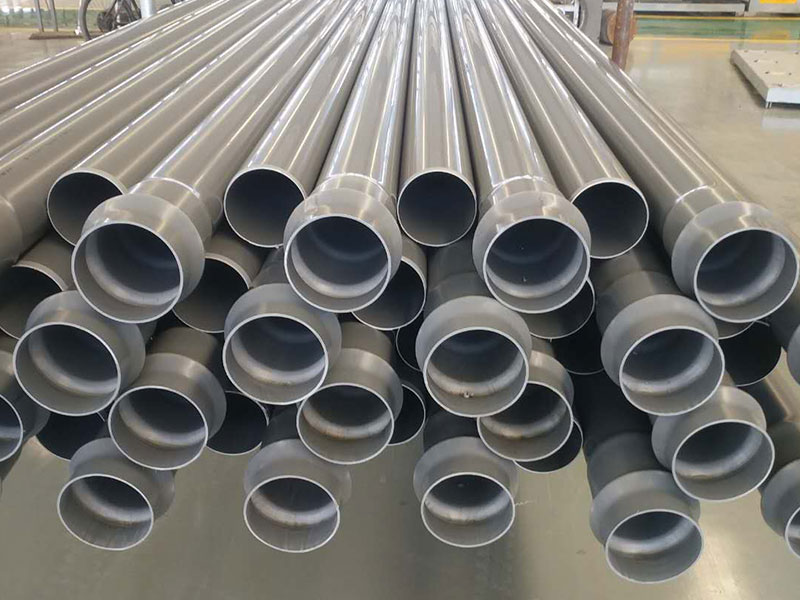
It is reported that Hebei Jianhua Plastic Products Co., Ltd. specializes in high-quality flame-retardant PVC conduit, fittings, and supporting products. The products are strictly produced in accordance with national standards and have characteristics such as high strength, high flame retardancy, impact resistance, and aging resistance. They are suitable for various construction scenarios such as indoor concealed laying, wall embedding, and ground laying. High quality pipes require standard construction techniques to maximize product performance and eliminate common construction problems such as pipe detachment, blockage, line damage, and electrical leakage hazards.
1、 Pre selection of materials and on-site verification to establish a solid foundation for construction
The material selection verification in the early stage of construction is the first checkpoint to ensure the quality of the project, which directly determines the smoothness of subsequent construction and the safety level of the line. The construction unit should give priority to using compliant PVC conduit produced by regular manufacturers. It is recommended to use pipe and accessory matching products from the same factory to ensure that the specifications and performance of the fittings, joints, locking nuts, and elbows are matched, and to avoid problems such as loose connections and poor sealing caused by poor fitting of accessories.
Hebei Jianhua Plastic's entire series of PVC conduit pipes have undergone multiple quality inspections before leaving the factory. The pipe wall thickness is uniform, the inner wall is smooth and free of burrs, and the flame retardant level meets the standard, which can effectively avoid scratching the insulation layer of the wire when threading. At the same time, before entering the site, it is necessary to strictly verify the appearance, specifications, and flame retardant parameters of the pipes, and prevent the use of inferior pipes that are cracked, deformed, have excessive impurities, or do not meet flame retardant standards; At the same time, confirm the construction environment temperature. The conventional construction environment temperature for PVC conduit should not be lower than -15 ℃. Avoid violent bending of the pipe in low temperature environments to prevent brittle cracking and damage.
2、 Pipeline laying standards, strict control of wiring and pre embedded standards
The laying of PVC conduit must strictly follow the core principles of "shortest path, straight laying with few bends, and avoiding hidden dangers" to ensure the regularity of the line and convenient maintenance in the later stage. The concealed pipeline should be laid along the shortest route to minimize bending design, reduce threading resistance, and minimize line losses. After the pipe is buried in the wall, the net distance between the pipe body and the surface layer of the wall shall not be less than 15 millimeters. After the wall is slotted and laid, a cement mortar with a strength of not less than M10 shall be used for plastering protection to prevent wall cracking and exposed damage to the pipe in the later stage.
For pipeline length and bending construction, industry standards specify that if the straight laying exceeds 30 meters, a junction box must be installed; The length of a single bending installation shall not exceed 15 meters, and S-shaped continuous bending is strictly prohibited; When the pipeline is continuously bent more than twice, a junction box must be added to facilitate later wiring and line maintenance. At the same time, it is strictly prohibited to open excessively long slots in load-bearing walls during construction to prevent damage to the main structure of the building and ensure construction safety. When laying pipes on the ground, it is necessary to do a good job of anti rolling and anti collision protection to avoid deformation and blockage of the pipes caused by construction equipment rolling.
3、 Pipe connection and bonding process to ensure sealing stability
Pipe interface connection is the core detail of electrical pipeline construction, and loose and poorly sealed interfaces are the main causes of moisture, leakage, and pipe detachment in the circuit. During construction, after cutting the pipes, it is necessary to thoroughly clean the burrs and debris at the pipe mouth to ensure that the pipe mouth is flat and smooth, and to avoid pipeline blockage caused by residual impurities. Before bonding construction, it is necessary to dry the dust and water stains at the interface between the pipe body and the fittings, and keep the interface dry and clean.
Special PVC adhesive should be used for bonding construction. The adhesive should be evenly and fully applied to the contact surface between the pipe head and the pipe fittings. During the insertion process, the wire pipe should be slightly rotated synchronously to ensure that the pipe is inserted in place and tightly fitted. After bonding is completed, it should be left to stand for sufficient time to wait for curing. It is strictly prohibited to apply force or move the pipe before curing to ensure the sealing and stability of the interface. When the conduit is connected to the junction box or distribution box, a straight section of no less than 10 centimeters should be reserved. It is forbidden to insert it diagonally into the box, and a special locking nut must be used to fix it. The pipe mouth below the box should be sealed with a matching plug to prevent cement, mortar, and debris from entering the pipe and causing blockage.




 Home
 Tel
 Product